

When a family realises that an ageing parent or grandparent can no longer cope safely at home, a complex and deeply emotional journey begins.
For care home operators, the traditional marketing playbook often misses the mark by treating the prospective resident as the sole or primary target.
In reality, the resident is rarely the individual making the final choice. The actual search, evaluation, and ultimate placement decisions are overwhelmingly driven by an invisible audience: the adult children and grandchildren.
To secure private-pay admissions in an increasingly competitive UK market, adult care providers must understand the unique emotional triggers of these secondary influencers. Furthermore, operators must know exactly where to position their messaging to establish immediate trust.
Understanding The Care Journey: The Three Generations Of Decision Makers
The decision to transition a loved one into residential care often involves a multi-generational dynamic. Care marketers cannot afford a one-size-fits-all digital strategy. Instead, campaigns must be segmented across three distinct groups, all of whom can be precisely targeted via our first-party data and contextual networks:
-
The Future Planners (Aged 65 and over): These are individuals proactively researching care options for themselves or an ageing spouse. They seek transparent pricing, community integration, and continuity of long-term care. It’s also worth noting that some of the over-65 group may be caregivers for their ageing parents. They may well be considering their own futures whilst researching care for their parents/older relatives. Often a stoic group, they hope to live independently for as long as they can.
-
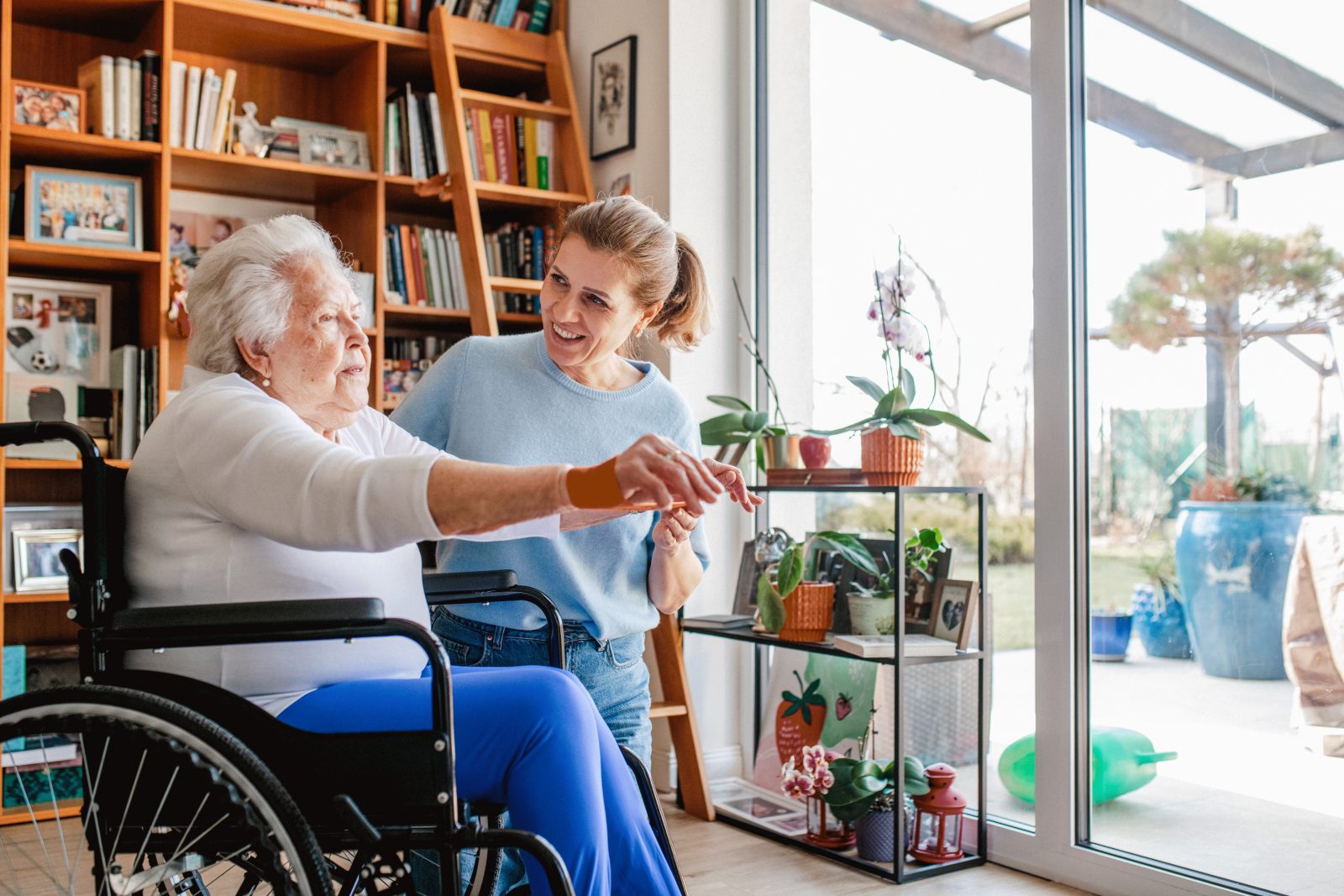
The Sandwiched-Squeezed (Aged 45 to 64): This is your primary decision-making audience. These are the adult children balancing their own careers, young, teenage or young-adult children, and the declining health of their parents. They handle the administrative burdens, arrange facility tours, and manage the financial details.
-
The Digital Navigators (Aged 18 to 44): The grandchildren are increasingly serving as the family’s initial research arm. They filter options based on online reputation, social media visibility, website user experience, and digital responsiveness.
Whilst they may be different generations, their pain points are similar. They want the best care for themselves/their loved ones. They worry about the cost, quality, and location of care homes. The best marketers will run campaigns that reach each of these groups whilst being mindful of each group’s sensitivities.
Navigating The Psychological Barrier Of Caregiver Guilt
For the sandwiched-squeezed generation, the care search is not a cold business transaction. It is a period of intense vulnerability and emotional distress. Many adult children experience profound caregiver guilt, viewing the transition to professional care as a personal failure to look after their parents.
When searching for options, this audience is not looking for a corporate sales pitch or loud, intrusive digital pop-ups. They are actively seeking reassurance, empathy, and absolute safety. They need to know that their decision will improve their parent’s quality of life, effectively reducing family anxiety rather than compounding it.
Reaching this audience requires careful contextual placement. If a care home’s advertisement appears next to sensationalised or unverified digital content, the fragile trust required to make an enquiry breaks down completely.
The Local Advantage: Why Trusted Environments Matter In Care Marketing
Care is inherently local. Families almost always choose a care facility within a short driving distance of their own homes to ensure regular visits. Therefore, local relevance is paramount.
A major industry study from Reach plc and PA Consulting, titled Local Advantage: Where Trust Lives, highlights how the choice of media environment radically alters consumer behaviour. The study reveals that 76% of users consider the environment surrounding an advertisement a key factor in their decision-making, while 64% are actively influenced by the specific media brand hosting the ad.
When compared to standard digital channels, such as open-programmatic networks, social media feeds, or video apps, local online news environments deliver distinct psychological advantages for high-stakes decisions:
-
Reassurance Uplift: Ads placed within trusted local online news sites evoke a 41% higher feeling of reassurance than ads on other digital media surfaces.
-
Trust and Connection: Local news environments drive a 26% increase in feelings of trust and connection.
-
Community Credibility: Audiences demonstrate a distinct preference for community-focused publications, with 63% of readers stating they are more likely to trust reporting from journalists they know within their own community*.
By placing care messaging alongside credible local journalism, you tap into a deeply rooted sense of community belonging.
Leveraging The Halo Effect To Overcome Consumer Hesitation
This transfer of credibility from publisher to advertiser is known as the ‘Halo Effect’. When a family is feeling anxious or hesitant about a major life transition, they actively seek outward signs of institutional credibility.
The Reach Halo Effect demonstrates that advertising in a premium, trusted news environment delivers a measurable boost in brand perception. For a care provider, this means that featuring success stories, staff spotlights, or expert advice in a local news title shifts the message from a standard advertisement to an extension of local community support.
This premium environment alters performance metrics down the funnel, driving an average 8% increase in customer loyalty and a 6% increase in conversion likelihood compared to non-local media alternatives.
Even among younger audiences like our ‘digital navigators’, local online news remains highly influential. Gen Z and Millennials report that local news sites provide 18% more trustworthy content and a 10% stronger sense of connection than social platforms. Within this demographic, Reach local titles deliver an 11% lift in ad recall and a 9% increase in engagement compared to local online competitors*.
Connecting With Intent via the Reach Network
With over 120 regional and national brands, including localised platforms like MyLondon, Manchester Evening News, and the Daily Record, Reach provides care home operators with a unique combination of local trust and precise demographic scale. With print and digital titles at our disposal and precision targeting by demographics, interests, and context, we can help you speak directly to each of the three generations of decision-makers.
During peak seasonal pressures, such as winter NHS hospital discharge bottlenecks, family searches for immediate care options experience significant traffic surges. Reach’s advanced contextual targeting and first-party data capabilities enable care providers to deliver empathetic, highly relevant messaging directly to adult children searching for care solutions within specific geographic boundaries.
By aligning marketing budgets with trusted local news brands, care operators can cut through the digital noise, ease caregiver guilt, and build the foundational trust required to welcome new residents into their communities.
Want to find out how we can promote your brand of care? Complete the form below to speak with an industry expert now.